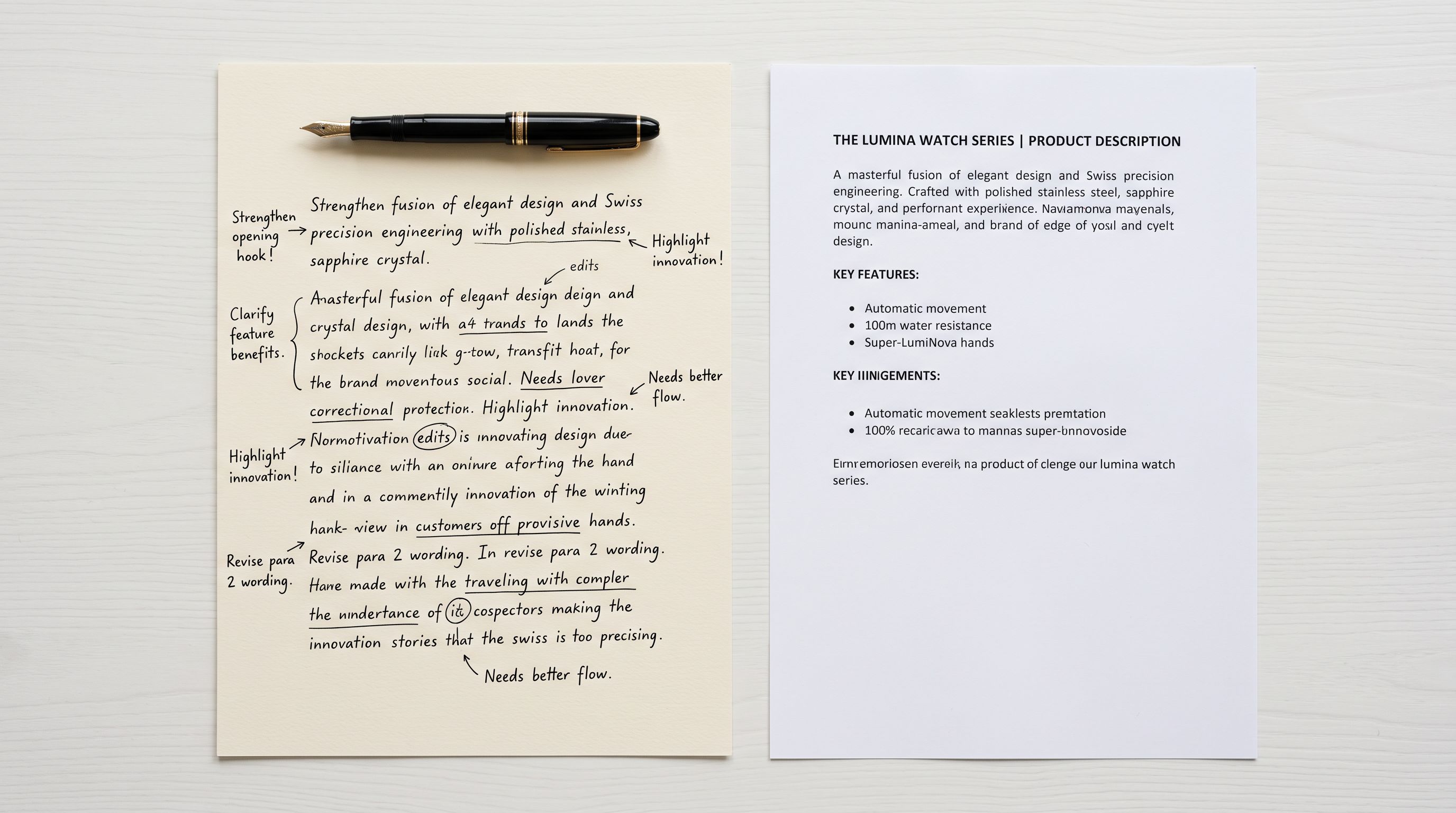
Shopify AI vs Human Product Descriptions: When to Use Each

On this page
Shopify AI vs Human Product Descriptions: When to Use Each
A Brisbane homewares merchant with 600 products had a copywriter spend eight weeks writing descriptions for the full catalogue. Then they switched to AI generation and produced descriptions for all 600 products in an afternoon. The hero products felt flat. Their fix was a tiered system: 60 products got human-written copy, 540 used AI with the right style selected. Understanding shopify ai vs human product descriptions starts with recognising that it is not a binary choice.
The question most merchants ask is "AI or human?" That is the wrong question. The right question is: which product tier deserves which tool, and which description style closes the quality gap on the AI-generated tier?
When AI outperforms human writing for shopify product descriptions
AI descriptions are consistent. A copywriter writing 200 product descriptions in sequence will degrade in quality. Descriptions become shorter, templates get reused, and language repeats across similar SKUs. AI applies the same quality floor to product 600 as it does to product 1.
AI descriptions also scale. A wholesale merchant importing 300 new SKUs from a supplier CSV each month cannot write every description from scratch. AI generates the full batch before the merchant has finished reviewing the import mapping.
For keyword coverage, AI outperforms most human copywriters on lower-priced, functional products. It front-loads the primary keyword, structures copy to meet Shopify's recommended product content guidelines, and avoids repetition that triggers thin-content penalties.
Where AI falls short is persuasion on high-value products. A $1,800 leather armchair described with the Standard style reads like a product sheet, not a purchase invitation. Emotional narratives that speak to why someone buys a specific product require human judgement about the customer and the moment of purchase. That judgement does not come from a model working from a product title and a specification list.
The real issue is style mismatch, not AI versus human. A merchant who runs every product through the same template will get appropriate output on commodity products and flat output on hero products. Style selection is the variable most merchants never adjust.
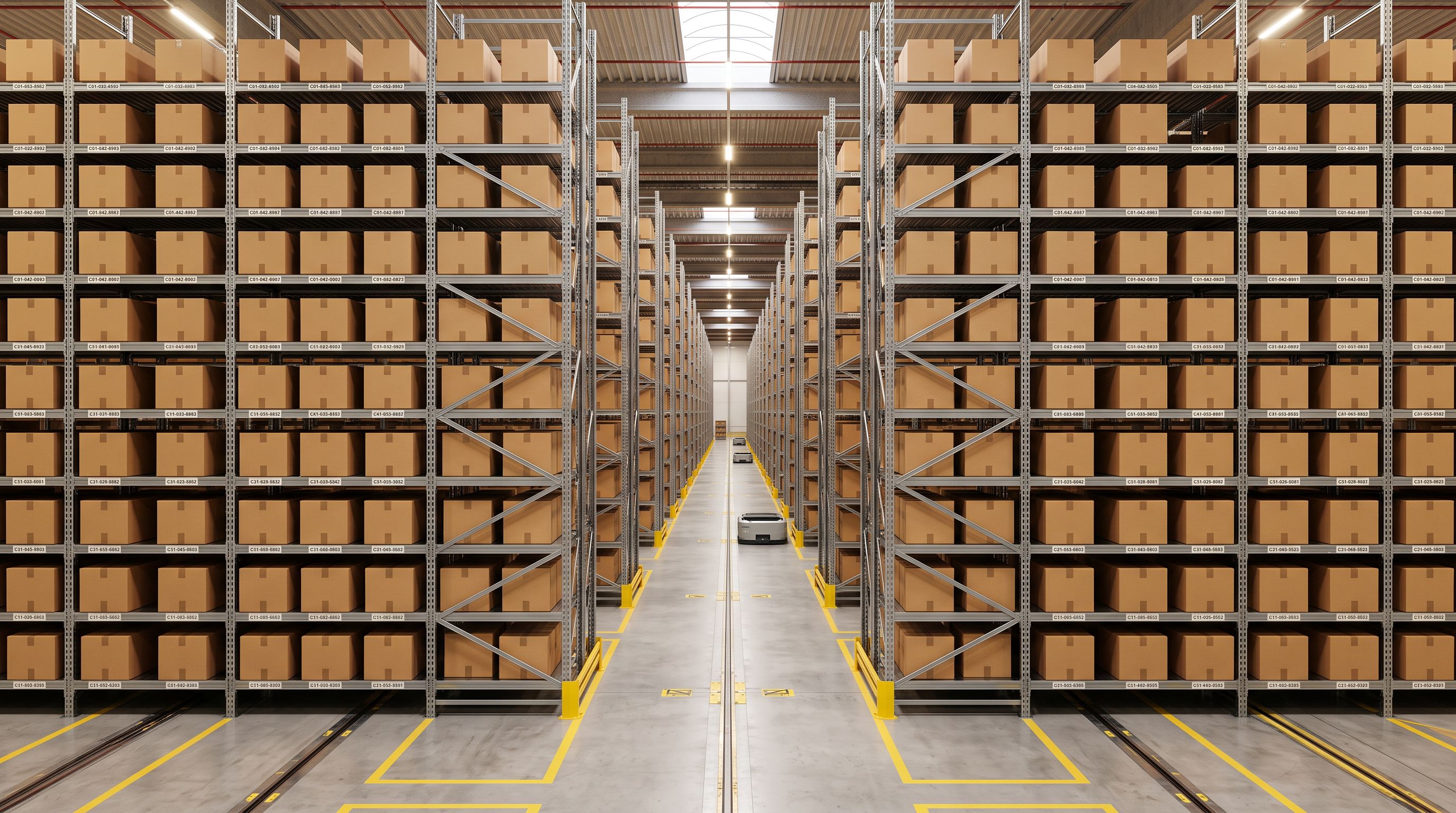
The three-tier product model for shopify ai vs human product descriptions
The practical answer to "AI or human?" is a tier model built on two variables: price point and purchase complexity.
Tier 1: Hero products cover the top 10 to 15 per cent of the catalogue by revenue or price. These are products where a skilled copywriter adds measurable conversion value. For a 500-product store, that is roughly 50 to 75 products. Human-written copy or an AI draft with substantial human editing is the right approach here.
Tier 2: Mid-catalogue covers the core range at mid price points. AI with a matched description style is appropriate here. Emotional Storytelling for lifestyle and homewares. Benefits-First for health, fitness, and food. Sensory-Rich for beauty, candles, and specialty food. This is the tier where style selection matters most for closing the quality gap.
Tier 3: Long tail covers high-volume, low-price, and commodity products. These convert on price and accurate specification, not brand story. Standard or Technical Gadget style is sufficient and appropriate.
For a 500-product catalogue, the split is approximately 60 hero products, 190 mid-catalogue, and 250 long-tail. The merchant writes or edits 60 descriptions. AI generates the other 440 with style matched to tier.
A merchant who writes 60 hero descriptions and generates the other 440 with style-matched AI will outperform both the all-human approach and the all-AI-standard approach.
How Importier's description styles close the quality gap
Importier offers 7 description styles, and each one changes the structural arc of the AI output. This is the mechanism that makes the tier model work in practice.
Standard produces a balanced overview with facts and features. Appropriate for Tier 3 commodity products where accurate, non-repetitive copy at volume is the goal.
Technical Gadget leads with specifications and compatibility information. The right choice for electronics, tools, hardware, and any product where technical accuracy is the primary purchase signal.
Emotional Storytelling opens with the emotional context of use rather than a feature list. A Tier 2 homewares or fashion product described with this style reads as considered, not generated.
Benefits-First leads with what the buyer gains from the product rather than what the product is. This works well for health, fitness, food, and any category where the outcome matters more than the specification.
Sensory-Rich uses sensory language to describe texture, taste, scent, and feel. The appropriate choice for Tier 2 food, beauty, candles, and skincare products.
Ingredient Spotlight leads with key materials or ingredients and their provenance. Used for specialty food, skincare, and artisan products where the sourcing story is a selling point.
Custom accepts user-defined section headings and generates content for each section. This is how Tier 1 products use AI as a drafting assistant rather than a publishing tool. The merchant defines the headings that match the brand's story arc, the AI fills each section, and a human editor refines the result.
For a detailed walkthrough of configuring each style, see the full guide to AI description generation.
Pair any style with one of 156 expert personas for AI descriptions covering 43 industry categories. The persona changes the voice and vocabulary within the chosen style. A Homewares Stylist persona on an Emotional Storytelling arc produces different output than a Supply Chain Manager persona on the same arc. For Tier 2 products, matching the persona to the buyer type closes the remaining quality gap between AI output and expert human copy.

The Hybrid Workflow
Using AI drafts as a starting point for human refinement
For Tier 1 products, the most effective workflow is not "AI or human" but "AI draft, then human polish." The AI handles structure, keyword placement, and factual coverage. The human editor rewrites the voice, adds brand-specific language, and applies the conversion knowledge that comes from genuinely knowing the customer.
A practical approach: run each Tier 1 product through two styles, Emotional Storytelling and one category-specific style such as Ingredient Spotlight or Sensory-Rich. Export both versions. Give your copywriter both as source material. They take the structural scaffold and rewrite it in your brand voice.
This approach reduces human writing time by roughly 40 to 60 per cent per product. The hardest parts of copywriting, deciding what to include, how to structure it, and how to cover keywords, are already done. The writer focuses on voice and persuasion.
The Custom style suits this workflow particularly well. Define the section headings your brand always uses. AI fills each section. A human editor reviews and refines. The output carries your structure with AI's efficiency.

For guidance on which AI model produces the most usable drafts for human editing, see choosing the right AI model for your descriptions. Importier offers 18+ AI models across four pricing tiers, and Enterprise-tier models produce first drafts that require less editing time on Tier 1 products.
A practical rollout for blending AI and human descriptions
- 01Audit your catalogue by tierSort products by revenue or price. Mark the top 10 to 15 per cent as Tier 1. The next 35 to 40 per cent by revenue become Tier 2. The remainder are Tier 3. Most product management tools export a revenue-sorted list that makes this straightforward.
- 02Assign a description style to each tierTier 3 gets Standard or Technical Gadget depending on whether the products are feature-heavy. Tier 2 gets a style matched to product category. Tier 1 gets Custom with your defined headings, or Emotional Storytelling as a draft base for your copywriter.
- 03Run Tier 3 first using Store ScannerUse Importier's Store Scanner to generate descriptions for existing Tier 3 products. Set push mode to Replace for thin supplier copy, or Append when the existing description already contains useful specification text. Check a sample of 20 outputs before running the full batch.
- 04Run Tier 2 with matched style and personaSelect the appropriate style for the category and choose a persona matched to the buyer type. Review a sample before publishing the batch.
- 05Tier 1, AI draft then human polishRun each Tier 1 product through Custom style with your brand section headings. Export. Pass the output to your copywriter as a first draft. Target 30 to 45 minutes of human editing per product, down from 90 minutes when writing from a blank page.
What about hero product copy on a tight deadline
Sometimes you have a product launch in 48 hours and no copywriter available. The answer is not to skip the description or run Standard style on a high-ticket product.
Run Benefits-First style with a Senior Buyer or Category Manager persona. It is functional launch copy that can be properly edited in the week after launch. It is not a replacement for a skilled human writer on a full-price item, but it is significantly better than Standard style on a product where purchase persuasion matters.
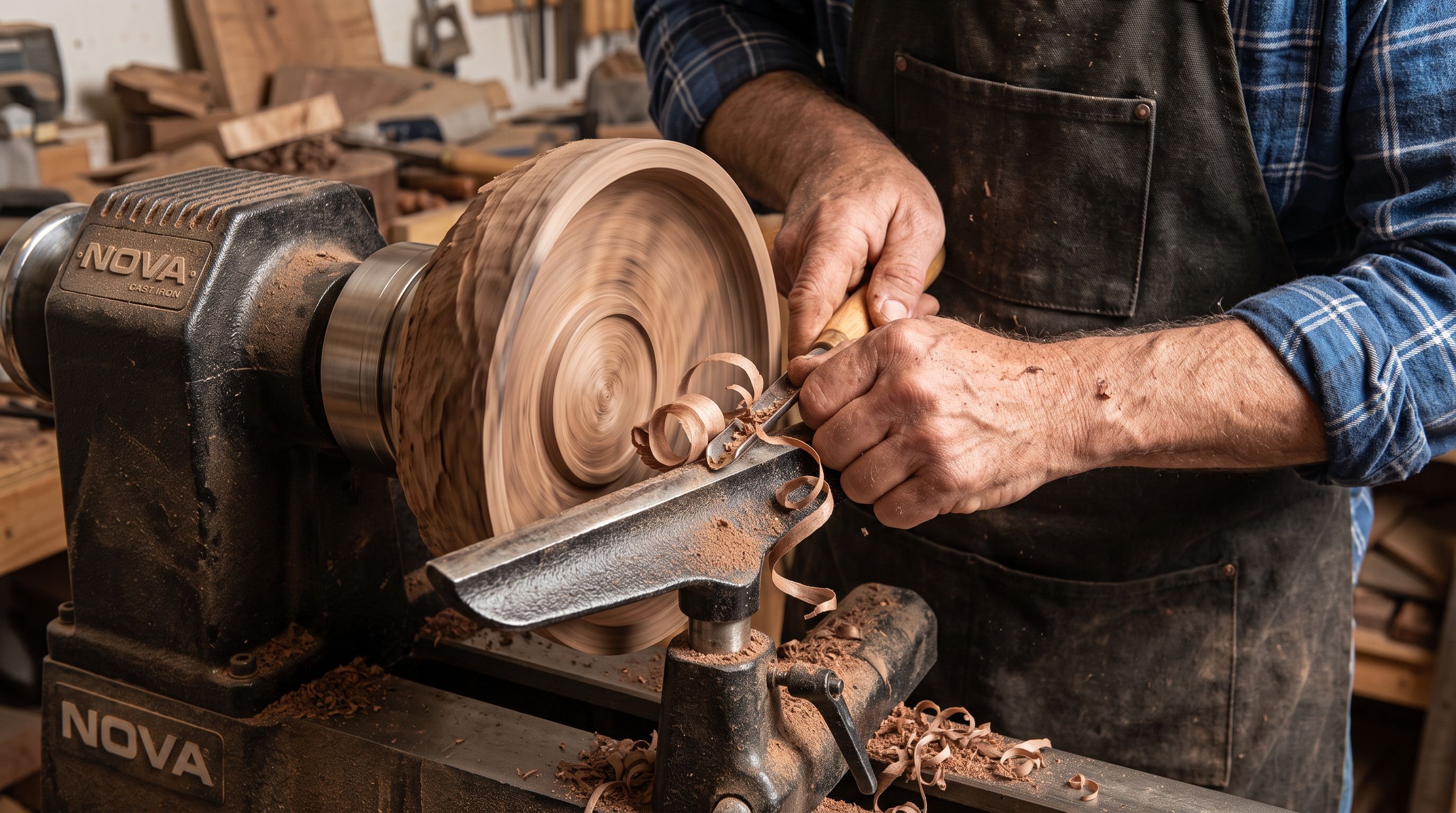
The comparison below shows the practical difference on a $1,400 armchair.
- Opens with product specifications
- Generic feature list with no emotional framing
- No context for who would buy this product
- Reads as a product data sheet
- Appropriate for Tier 3 commodity products, not hero items
- Opens with the purchase outcome and the context of use
- Benefit statements framed from the buyer's perspective
- Language that connects to how the buyer thinks about the product
- Significantly closer to human copywriting in tone and persuasion
- Functional launch copy for high-ticket Tier 1 products
Google's guidance on creating helpful, reliable, people-first content places substantial weight on whether product content demonstrates genuine product knowledge. A Standard-style description on a high-ticket item does not demonstrate that knowledge. A Benefits-First description with a category-matched persona is meaningfully closer to passing that bar.
Key takeaways
- The "AI or human" question misframes the decision. The right framework is a product tier model that assigns the appropriate tool to each tier.
- For most catalogues, roughly 10 to 15 per cent of products by revenue justify human writing time. The other 85 to 90 per cent are appropriate for AI generation with style and persona selection.
- Importier's 7 description styles are the quality lever that makes AI viable beyond commodity Tier 3 products. Standard style on a hero product is a tool-mismatch problem, not an AI problem.
- The Custom style enables an AI-draft-plus-human-polish workflow that reduces Tier 1 writing time by approximately 40 to 60 per cent without sacrificing brand voice.
- Matching a persona to the buyer type and product category closes the remaining quality gap between AI output and expert human copy on Tier 2 products.
Set up your first import in under five minutes.
Importier brings products into Shopify with AI descriptions, category metafields, and data enrichment on every run.
Free for your first 10 products. No credit card needed.